Venue
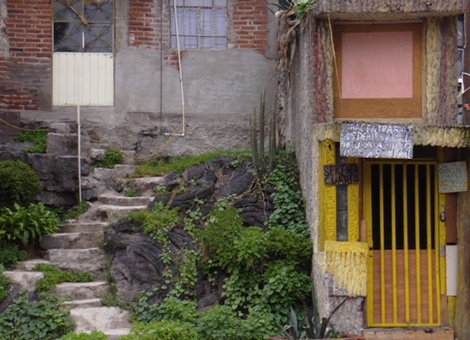
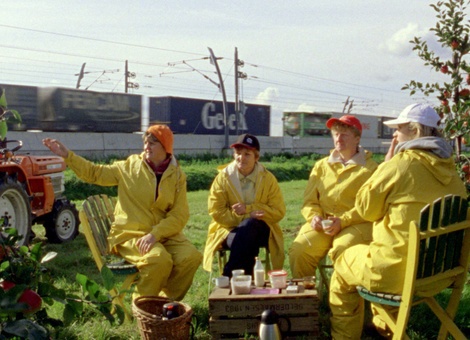
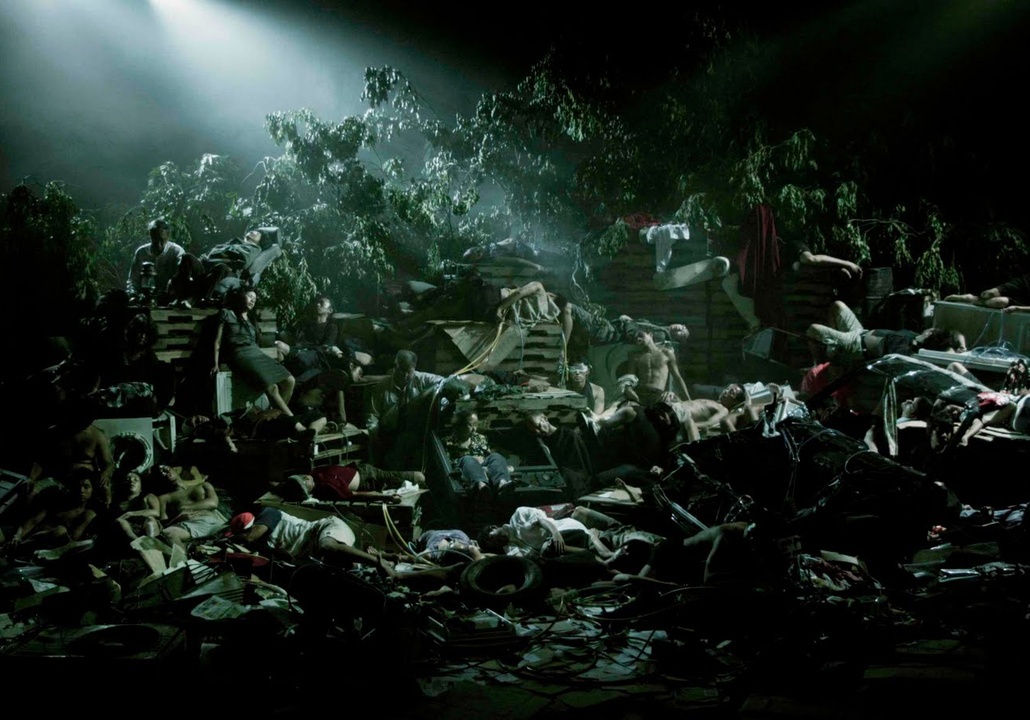
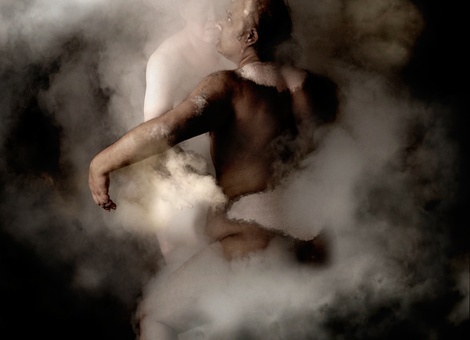
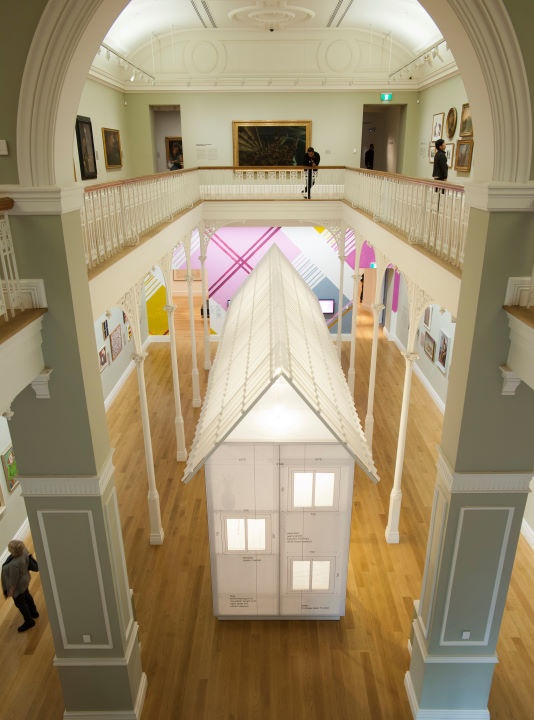
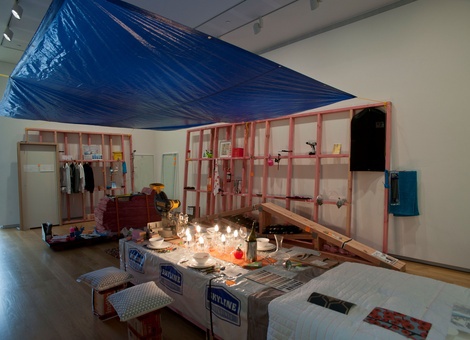
Bishan Commune,2013

Bishan Commune,2013

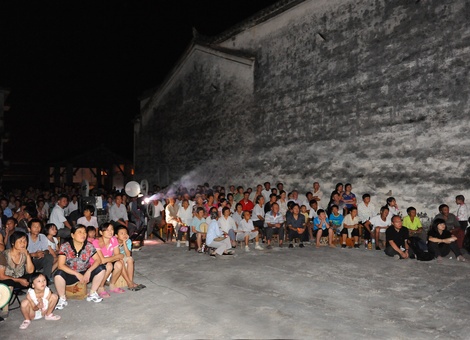
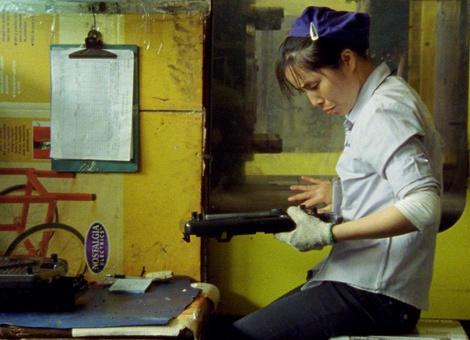
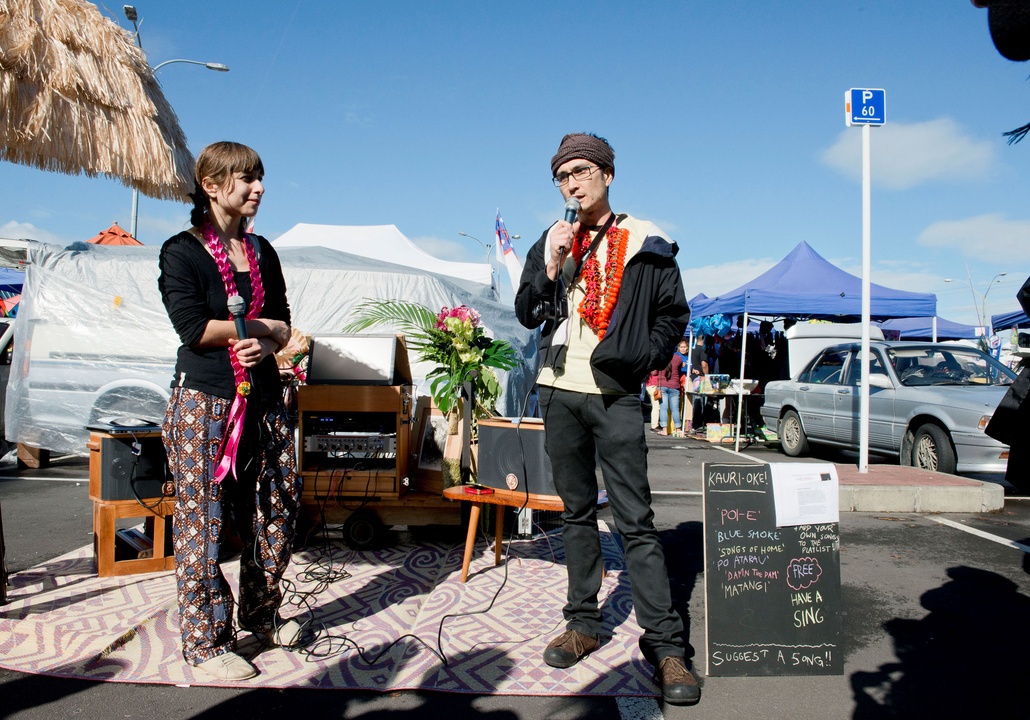
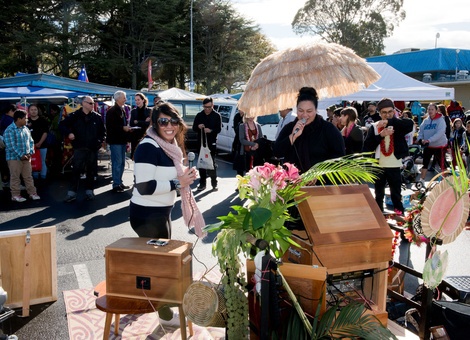
Outdoor film screening, Bishan Harvestival, 2011
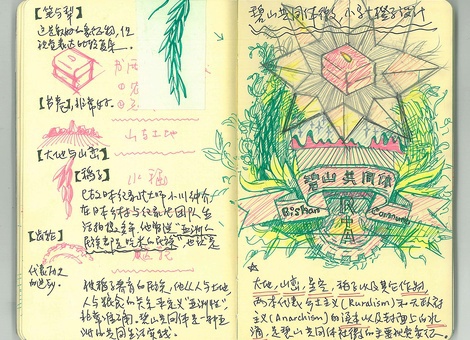
Outdoor film screening, Bishan Harvestival, 2011

Ou Ning: Bishan Commune: How to Start Your Own Utopia

Ou Ning: Bishan Commune: How to Start Your Own Utopia

Born 1969, Zhangjian, Guangdong, China
Lives and works in Beijing, China

Ou Ning is a graphic designer, editor, curator, filmmaker, writer and lecturer and founder of U-thèque, an independent film and video organisation. He is the founder of the Bishan Commune which brings together artists and intellectuals to get involved in the rural reconstruction movement in China. In 2011 the Commune held its first Harvest Festival in the rural settlement of Bishan. This incorporates music, dance, a small documentary festival and academic panels on rural reconstruction with local and international intellectual speakers.

http://www.alternativearchive.com/ouning/

Selected exhibitions and events:

Museu de Arte Contemporânea da Universidade de São Paulo, 2011; Videotage, Hong Kong, 2011; Tirana Biennial, 2009; Berkeley Art Museum and Pacific Film Archive, 2008; Smithsonian Institution, Washington, 2008; Victoria & Albert Museum, London, 2008; Contemporary Art Centre, Vilnius, 2007; Yokohama International Media Art Festival, 2009; 22nd Milan, Asian, African and Latin American Film Festival, 2012.

‘... Ou Ning and his ‘communards’ are looking to create an alternative social entity...’

Hou Hanru, Curator, 5th Auckland Triennial

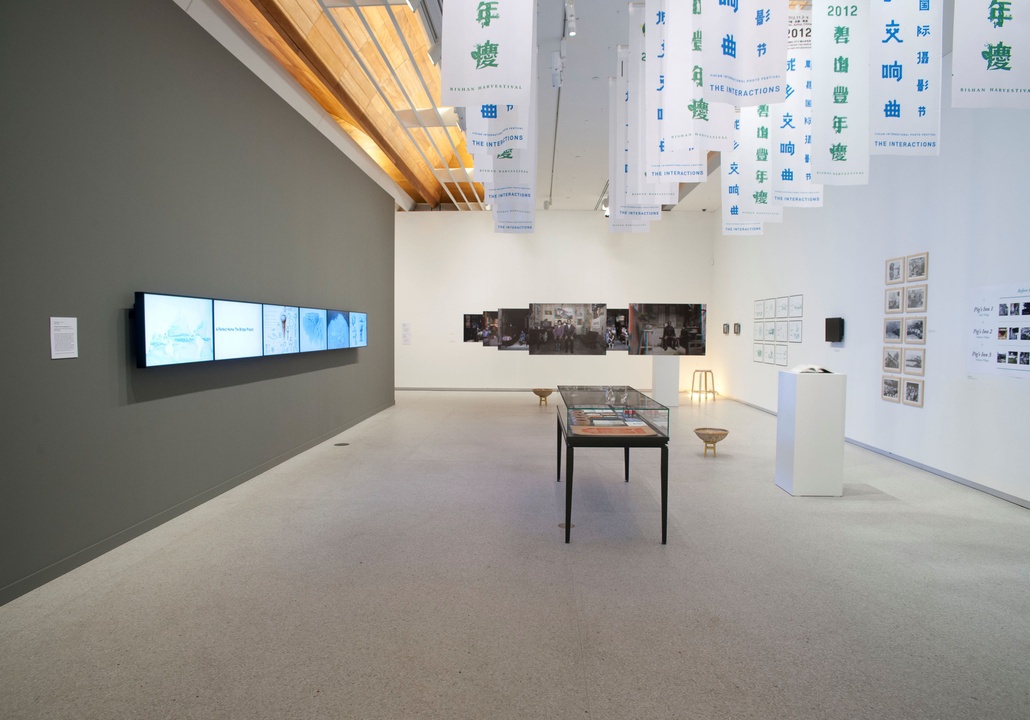
Bishan Project

2013
Auckland Art Gallery

sketchbooks, drawings, magazines, archival material, photographs, video, mixed media objects
dimensions variable
courtesy of the artist
Venue
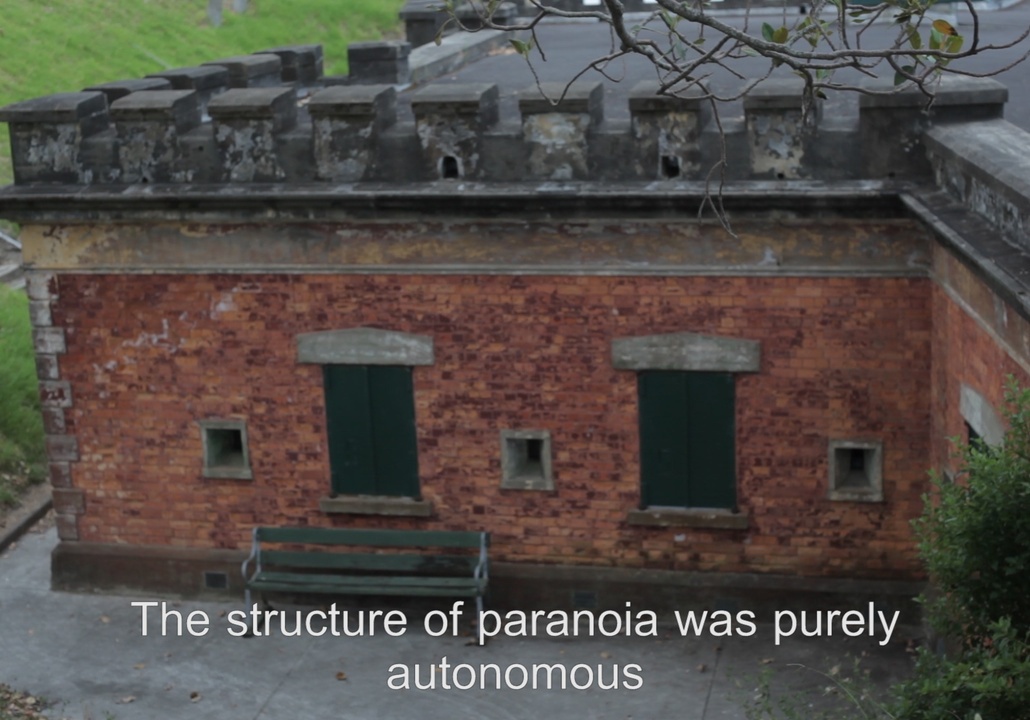
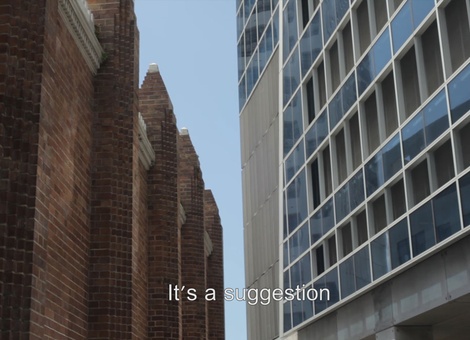
The Forgotten Space 2010 (still)

The Forgotten Space 2010 (still)

Born 1951, Erie, United States of America
Died 10 August 2013, Los Angeles, United States of America

Allan Sekula (1951–2013) was a photographer, filmmaker and writer engaged with issues of social reality and globalisation. The Forgotten Space, 2010 is a filmic sequel to his book Fish Story, 1995 which explores the historic use and representation of the maritime space and the radical modern-day shifts and transformations. In recent work Sekula explored the uneasy relationship in maritime space between anti-authoritarianism or imaginative freedom and instruments of economic, military and political power. As an intellectual and practitioner, he was mainly engaged with socio-political critique of what he described as ‘the imaginary and material geographies of the advanced capitalist world’.

http://www.theforgottenspace.net/

Selected exhibitions:

Polonia and Other Fables, Ludwig Museum, Budapest, 2010; Polonia and Other Fables, Zachęta National Gallery of Art, Warsaw, 2009; dOCUMENTA (12), Kassel, 2007; Shipwreck and Workers, STUK Kunstcentrum, Leuven, 2005; Titanic’s Wake, Harn Museum of Art, Florida, 2004; Prayer for the Americans, Galerie Michel Rein, Paris, 2004; Sekula, Performance under Working Conditions, Generali Foundation, Vienna, 2003; dOCUMENTA (11), Kassel, 2002.

‘Sekula and Burch’s film asks us to consider those critical spaces between the local and the global...’

Alex Davidson, Curatorial Assistant, Artspace, Auckland

The Forgotten Space

2010
The Film Archive

The Film Archive
Screening times for The Forgotten Space at The Film Archive:

Weekdays - 11am, 1pm and 3pm

Saturday - 11am, 1pm

film essay / feature documentary, English subtitles
110:00min
producers: Frank van Reemst, Joost Verheij
co-producers: Vincent Lucassen, Ebba Sinzinger
courtesy of DOC.EYE Film


Venue
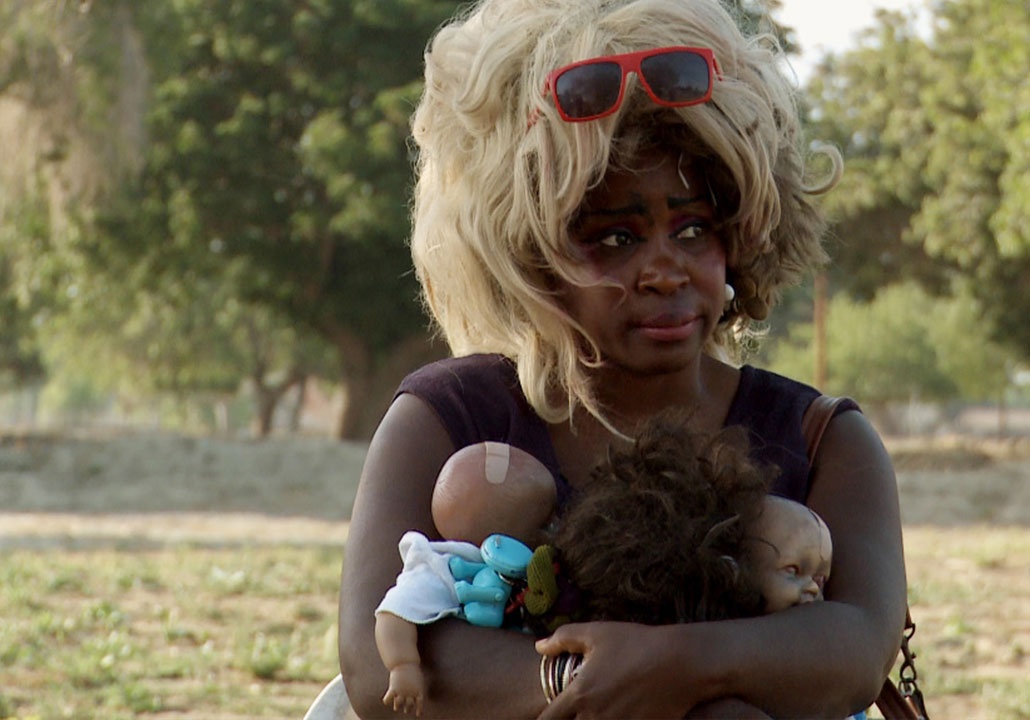
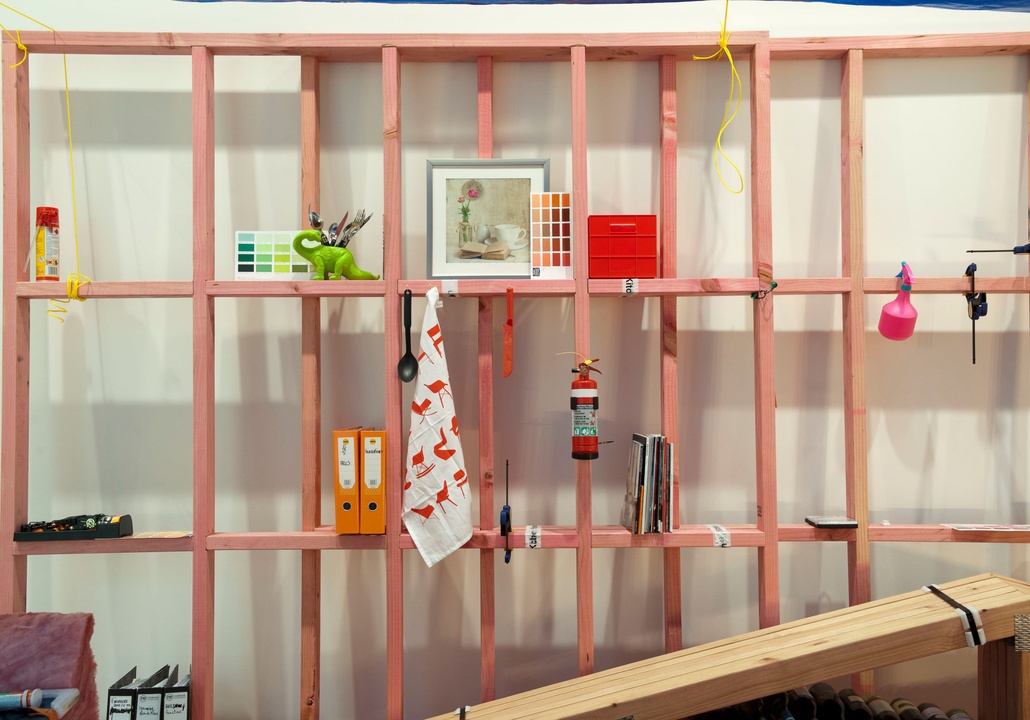
Right of Way, 2013 (still)

Right of Way, 2013 (still)

Right of Way, 2013 (still)

Right of Way, 2013 (still)

Born 1982, Ngāpuhi, Samoan, Niuean
Lives and works in Auckland, New Zealand

Born 1982, Ngāpuhi, Samoan, Niuean
Lives and works in Auckland, New Zealand

Janet Lilo is an interdisciplinary artist interested in the politics of space and the exploration of popular culture within a localised framework. Her work includes appropriated amateur photography and video from online platforms, music videos, vlogs (video logs) and experimental documentary. With a keen eye for online trends Lilo has recorded people’s behaviours and interactions and displayed them on monitors and objects in gallery spaces, the sides of buildings, in museums, the internet, bus stops and billboards. Recently she created internet art projects specifically for YouTube, establishing a bridge between global online communities and the local communities of Auckland.

Listen to Janet Lilo in conversation with Nina Tonga at Artspace as part of the 5th Auckland Triennial.

Selected exhibitions (solo):

Identi-tee video, Auckland War Memorial Museum, 2012; Top16, Beachcomber Contemporary Art Gallery, Rarotonga, 2010; Man in the mirror, ICC building, Higashi Sapporo, 2009; MYFACE, Fresh Gallery Otara, 2009; Top16 x 2, Fresh Gallery Otara, 2008; Selected exhibitions (group): Contact, Frankfurter Kunstverein, 2012; Home AKL, Auckland Art Gallery, 2012; Rituels, Tjibaou Cultural Center, Noumea, 2011; Niu Pasifik: Urban Art from the Pacific Rim, CN Gorman Museum, University of California, 2010; Nonsense, CAI02 Gallery, Sapporo, 2009.

‘...Lilo captures real moments of local life: street scenes, candid performances, community dialogue and urban landscapes.’

Nina Tonga, art historian and Professional Teaching Fellow, Centre for Pacific Studies, The Universi

Right of Way

2013
Artspace

installation with photos, park benches, HD video, sound
courtesy of the artist

Venues
test pattern [live set], 2008, photograph by Liz Hingley

test pattern [live set], 2008, photograph by Liz Hingley

A [for 6 silos]

A [for 6 silos]

Born 1966, Gifu, Japan
Lives and works in Paris, France

Ryoji Ikeda is one of Japan’s leading electronic composers and visual artists who successfully works across both visual and sonic media. His work involves elaborate orchestrations of sound, visuals and mathematical notions which explore the characteristics of sound and result in immersive live performances and installations.

http://www.ryojiikeda.com/

Alongside his musical pieces, Ikeda continues to work on long-term projects including test pattern, 2008–ongoing in which he developed a system that converts any type of data – text, sounds, photographs and movies – into barcode patterns and binary notation consisting of 0s and 1s.

Selected exhibitions:

Beam In Thine Own Eye, Museum of Old and New Art, Hobart, 2013, test pattern [no5], Carriageworks, Sydney, 2013; test pattern [ 100m version],Ruhr Trienniale, Duisburg, 2013; Ryoji Ikeda, DHC-ART, Montréal, 2012; The Transfinite, Park Avenue Armory, New York, 2011; datamatics, Museo de Arte, Bogota, Colombia. His performances datamatics [v.2], test pattern [live set] and superposition have been presented all over the world including Pompidou Centre, Paris, Tate Modern, London and Palazzo Grassi, Venice.

‘[Ikeda’s] projects ... are sensational, beautiful and challenging.’

Hou Hanru, Curator, 5th Auckland Triennial

A [for 6 silos]

2013
SIlo 6

site-specific six-channel sound installation
continuous loop
courtesy of the artist
test pattern [live set]

2013
Galatos

audiovisual concert
concept, composition: Ryoji Ikeda
computer graphics, programming: Tomonaga Tokuyama


Venue
The Garden of Pine – As Fierce as a Tiger II, 2010

The Garden of Pine – As Fierce as a Tiger II, 2010

One Cannot Break the Law Without Upholding the Law. All Laws Must Be Broken, 2013

One Cannot Break the Law Without Upholding the Law. All Laws Must Be Broken, 2013

One Cannot Break the Law Without Upholding the Law. All Laws Must Be Broken, 2013

One Cannot Break the Law Without Upholding the Law. All Laws Must Be Broken, 2013

(formed 2002) Live and work in Yangjiang, Guangdong Province, China
Zheng Guogu Born 1970, Yangjiang, Guangdong Province, China
Chen Zaiyan Born 1971, Yangchun, Guangdong Province, China
Sun Qinglin Born 1974, Yangjiang, Guangdong Province, China

Yangjiang Group was founded in 2002 by Zheng Guogu, Chen Zaiyan and Sun Qinglin in Yangjiang, China. The direction of their work is driven by Chinese classical philosophy, the traditions of Chinese calligraphy, and notions of social transformation. In the 2009 Lyon Biennale Yangjiang Group created The Pine Garden – As Fierce As a Tiger, a work which brought art, football and chance together in a traditional Chinese garden setting.

Selected exhibitions (solo):

Yangjiang Group – After Dinner Shu Fa at Cricket Pavilion, Eastside Projects, Birmingham, 2012; Garden of Pine – Also Fierce Than Tiger II, Tang Contemporary Art Centre, Beijing, 2010. Selected exhibitions (group): 10th Lyon Biennale, 2009; Sprout from White Nights, Bonniers Konsthall, Stockholm, 2008; dOCUMENTA (12), Kassel, 2007; The Second Guangzhou Triennial-BEYOND: An Extraordinary Space of Experimentation for Modernization, Guangdong Museum of Art, 2005.

‘... a place where we learn about ourselves ... in this historical moment, this society, this city and this way of life.’

Echo Janman, Public Programmes Manager, Elam School of Fine Arts, The University of Auckland

Shu Tu Tong Gui

2013
George Fraser Gallery

(Calligraphy and Scratching Leading to the Same Thing)
participatory community event, tea residue, calligraphy
courtesy of the artists and Tang Contemporary Art, Beijing


Venue
Just in time for too late, (2013)

Just in time for too late, (2013)

Just in time for too late, (2013)

Just in time for too late, (2013)

Born 1943, Grand Rapids, United States of America
Lives and works in San Francisco, United States of America

Emory Douglas created the visual identity for the Black Panther Party and his iconic images came to symbolise the struggles of the movement. As Minister of Culture for the "Black Panther Party" from 1967 until the 1980s, Douglas’ work, described as ‘Militant Chic’, featured in most issues of the newspaper The Black Panther. His work is characterised by strong graphic images of young African American men, women and children. He used the newspaper’s popularity to spur people to action, portraying the poor with empathy and as being unapologetic and ready for a fight.

http://www.emorydouglasart.com/

Selected exhibitions (solo):

Black Panther: The Revolutionary Art of Emory Douglas, Urbis, Manchester, 2008–9; Black Panther: The Revolutionary Art of Emory Douglas, MOCA Pacific Design Center, Los Angeles, 2007–8. Selected exhibitions (group): 16th Biennale of Sydney, 2008; The Black Panther Rank and File, Yerba Buena Center for the Arts, San Francisco, 2006.

‘The values of equality, racial economic justice and fairness are just as relevant today as they ever were.’

Nigel Borell, Kaiwhakahaere, Toi o Manukau, Auckland Council

Untitled

2013
Fresh Gallery Otara

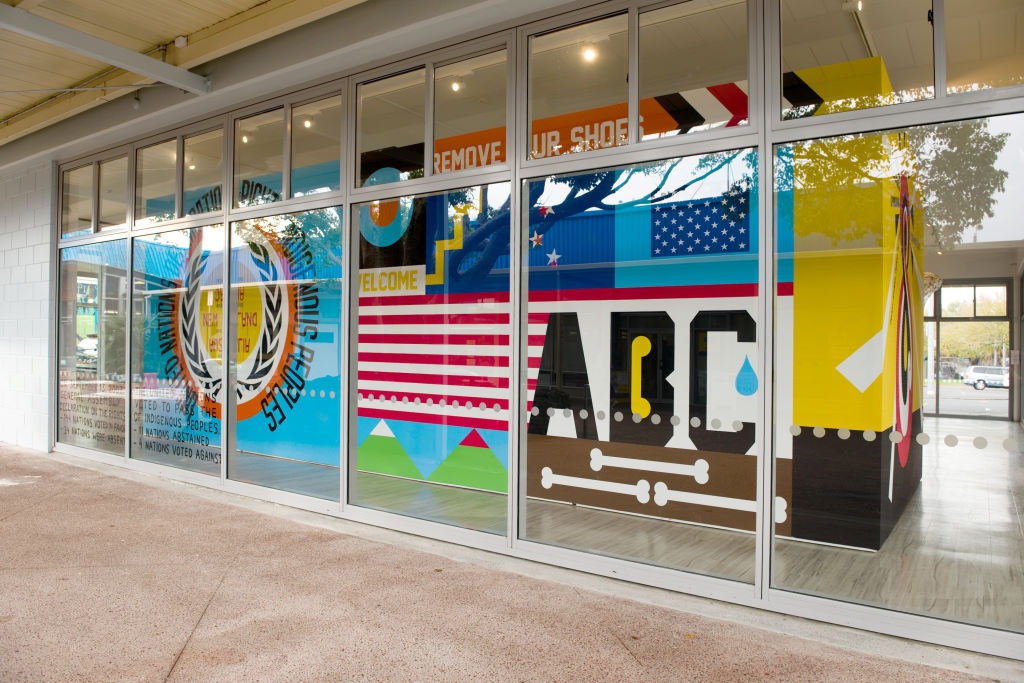
Emory Douglas, Rigo 23, Wayne Youle
painted mural
2940 x 11300
Courtesy of the artists


Venue
Tlatelolco Clash, 2011 (still)

Tlatelolco Clash, 2011 (still)

3-2-1, 2011

3-2-1, 2011

(born 1974) Albania.
Lives and works in Berlin.

Working primarily in film and video, Anri Sala creates works that bring together documentary, history, language and cultural memory. Early films referenced his personal experience and reflected on Albania’s social and political changes, while recent works have explored the tension between repetition and improvisation, often involving or offering the possibility of live performance.

http://www.mariangoodman.com/artists/anri-sala/

Sala’s films and installations disrupt and reconfigure the viewer’s relationship to the image and the space, echoing his approach to making work, which the artist describes as being ‘shaped, inspired and constrained by rupture, and transitory or intermediate stations’.

Selected exhibitions (solo):

Museum De Pont, Tilburg, The Netherlands, 2013; Centre Georges Pompidou, Paris, France, 2012; Serpentine Gallery, London, UK, 2011; About Change Studio, Berlin, Germany, 2010; CAC Contemporary Arts Center, Cincinnati OH, 2009; Museum of Contemporary Art North Miami, USA, 2008; Extra City, Antwerp, Belgium, 2007. Selected exhibitions (group): 2012 Documenta, Kassel, Germany; 9th Gwangju Biennale, China, 2012; Architektonika, Hamburger Bahnhof, Berlin, Germany, 2012; Tribute to Anri Sala, Locarno Film Festival, Italy, 2011; 29th São Paolo Biennale, Brazil, 2010; Haunted: Contemporary Photography/Video/Performance, Guggenheim Museum, New York, 2010; Gender Check, Museum Moderner Kunst Stiftung Ludwig Wien, Vienna, Austria, 2009; The Implications of Image, Museo Universitario de Ciencias y Arte, Mexico City, Mexico, 2008; Moskau Biennale, Moscow, Russia, 2007.

‘Music, emotive and often abstract, is a powerful form of non-verbal communication, and even a catalyst for change.’

Andrew Clifford, Curator, Centre for Art Research, The University of Auckland

Long Sorrow

2005
Gus Fisher Gallery

HD video transferred from super 16mm film, stereo sound
12:57min
courtesy of Johnen Galerie Berlin; Galerie Rüdiger Schöttle, Munich; Marian Goodman Gallery, New York; Hauser & Wirth, Zurich / London; Galerie Chantal Crousel, Paris

Tlatelolco Clash

2011
Gus Fisher Gallery

HD video projection, five-channel surround sound
11:49min
courtesy of kurimanzutto, Mexico City; Marian Goodman Gallery, New York; Hauser & Wirth, Zurich / London; Galerie Chantal Crousel, Paris

3-2-1

2011
Gus Fisher Gallery

live performance featuring artist André Vida responding to the film Long Sorrow
courtesy of the artist


Studio Mumbai (Bijoy Jain)

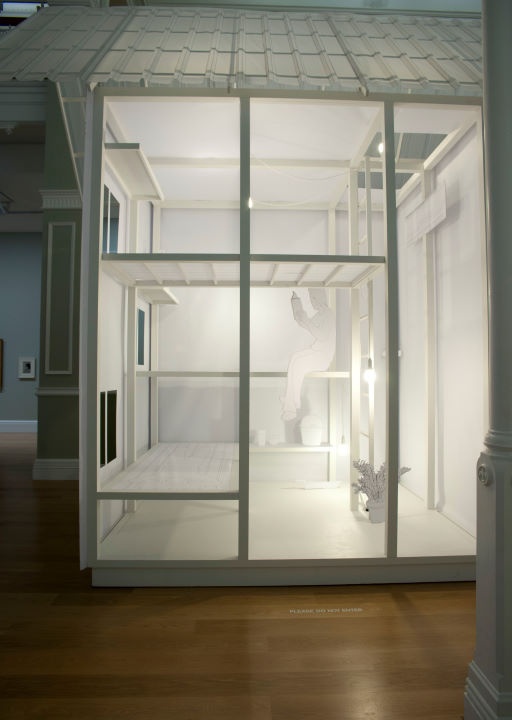
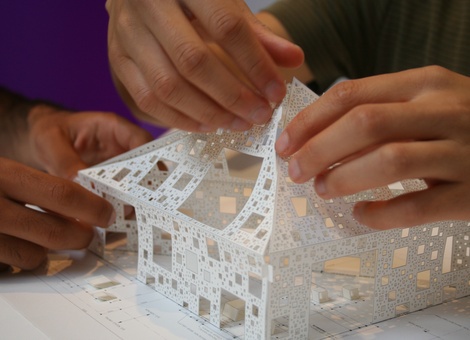
Copper House II, Chondi, Maharashtra, India, 2010

Copper House II, Chondi, Maharashtra, India, 2010

Palmyra House, Nangaon, Maharashtra, India, 2007

Palmyra House, Nangaon, Maharashtra, India, 2007

Palmyra House, Nangaon, Maharashtra, India, 2007

Palmyra House, Nangaon, Maharashtra, India, 2007

Born 1965, Mumbai, India
Lives and works in Mumbai, India


Bijoy Jain is an architect and founder of Studio Mumbai, a contemporary and award-winning architectural practice drawing on the traditional skills and expertise of India’s craftspeople. Creating a studio where skilled stonemasons, wood workers and other traditional trades do not simply execute his projects but are regarded as advisors and collaborators, Jain has enabled a rediscovery of traditional knowledge and the sustainable use of local resources.

Drawing upon the Indian landscape and regarding it as a resource, Studio Mumbai have created buildings as diverse as private residences, public spaces, research centres and rural retreats formed by local climatic conditions, materials and technologies.

‘An architectural practice almost unique in the world, Studio Mumbai redefines the construction process...’

Andrew Barrie


Venue
A Perfect Home: The Bridge Project, 2010 (video still)

A Perfect Home: The Bridge Project, 2010 (video still)

A Perfect Home: The Bridge Project, 2010 (video still)

A Perfect Home: The Bridge Project, 2010 (video still)

(born 1962) Seoul, South Korea
Lives and works in New York, London and Seoul.

Do-Ho Suh’s sculptures and installations explore spatial dynamics and issues of cultural difference. His site-specific installations act like microcosms of the postmodern, globalised world, questioning the boundaries of identity in relation to public and private space. Suh’s work, which draws from his Korean background and life in the West, addresses the place of individual and collective identities in a global society. Through the use of architectural elements and references to the body, Suh evokes a trans-cultural life where the dynamics of space, culture and connection create unanticipated form.

Selected exhibitions (solo):

Hiroshima MOCA, Hiroshima, Japan, 2012; Leeum Samsung Museum, Seoul, South Korea, 2012; Tate Modern, London, UK, 2011; Storefront for Art and Architecture, New York, USA, 2010; 2001 Venice Biennale, Italy. Selected exhibitions (group):Luminous: The Art of Asia, Seattle Art Museum, 2011; 2010 Liverpool Biennial, Liverpool, UK; 2010 Venice Architecture Biennale, Italy; Your Bright Future: 12 Contemporary Artists from Korea, Los Angeles County Museum of Art, USA, 2009; Psycho Buildings, Hayward Gallery London, UK, 2008.

‘... there is no freedom in architecture. In fact freedom is a ruse Suh points to...’

Yasmeen M Siddiqui, curator and essayist, Louisville, Kentucky.

A Perfect Home: The Bridge Project

2010
Auckland Art Gallery

synchronised four-monitor animated digital slide presentation, two single-channel videos, sound
11:00min
© Do Ho Suh
courtesy of the artist


Venues
Citizens Band, 2012 (still)

Citizens Band, 2012 (still)

Prepared Piano for Movers (Haussmann), 2012 (still)

Prepared Piano for Movers (Haussmann), 2012 (still)

Born 1976, Sydney, Australia
Lives and works Sydney, Australia and Paris, France


Angelica Mesiti creates performance-based videos that analyse culture in a state of transformation due to social or economic shifts. Past projects have focused on traditional music, movement languages, and storytelling. At the core of her work is an ongoing interest in the potential of performed cultural practices as expressions of the particularities and history of a given place and community.

http://www.angelicamesiti.com/

Listen to Angelica Mesiti talking at Artspace as part of the 5th Auckland Triennial.

Selected exhibitions (solo):

The Line of Lode & Death of Charlie Day, 24HR Art, Centre for Contemporary Art, Darwin, 2012; Rapture (silent anthem), Institute of Modern Art, Brisbane, 2012; The Begin-Again, C3West Project, Museum of Contemporary Art, Sydney and Hurstville Council, 2011; Rapture (silent anthem), CCP, Melbourne, 2010. Selected exhibitions (group): Sharjah Biennial 11, United Arab Emirates, 2013; NEW12, ACCA, Melbourne, 2012; Kochi-Muziris Biennale, Kerala, 2012; Rencontres Internationales, Pompidou Centre, Paris, 2010; No Soul For Sale, Tate Modern, London, 2010; Les Rencontres International, Paris, Ecole Des Beaux Arts, Paris, 2008.

‘Few contemporary works evoke such beauty ...’

Jacqueline Millner, Associate Dean, Learning and Teaching, Sydney College of the Arts

Citizens Band

2012
Artspace

four-channel colour HD video installation, surround sound 21:25min, courtesy of the artist and Anna Schwartz Gallery

Prepared Piano for Movers (Haussmann)

2012
Auckland Art Gallery

single-channel colour HD video, stereo sound 6:00min, courtesy of the artist and Anna Schwartz Gallery


Saffronn Te Ratana, Ngataiharuru Taepa and Hemi Macgregor

Venue
Ka Kata Te Po, 2011

Ka Kata Te Po, 2011

Ka Kata Te Po, 2011

Ka Kata Te Po, 2011

Hemi Macgregor
Born 1975, Ngāti Rakaipaaka, Ngati Kahungunu, Ngāi Tūhoe
Lives and works Paekakariki and Wellington, New Zealand

Saffronn Te Ratana
Born 1975, Ngāi Tūhoe
Lives and works in Palmerston North, New Zealand

Ngataiharuru Taepa
Born 1976, Te Arawa, Te Ati Awa

Hemi Macgregor, Saffronn Te Ratana and Ngataiharuru Taepa are leading contemporary Māori artists who collaborate to combine their individual practices. Collaboration is an essential element of tikanga Māori (customary values). Drawing from shared indigenous experiences the group created Ka kata te po, 2011 first shown at Te Manawa Art Gallery. This is a large installation that explores the expressions of tribal mana motuhake (authority) and the state’s suppressions of tribal voices. Earlier collaborative projects include Tu te manu ora i te Rangi, 2008 a mixed-media installation which explores the relationship between the atua (deity) Tāne and Rehua, a subject the artists have explored in their own individual practices and collectively.

Selected exhibitions (collaborative):

Ka Kata Te Po, Te Manawa Art Gallery, Palmerston North, 2011; Tu te manu ora i te Rangi, Thermostat Gallery, Palmerston North, 2008. Selected exhibitions (group): Double Vision: When Artists Collaborate, Pataka Museum of Arts, Porirua, 2010.

’... strength in mana tupuna (authority of ancestors), mana atua (spiritual and ancestral realms) and mana whenua (the power of land).’

Huhana Smith, artist and independent Māori art/visual culture specialist,

Ka kata te po

2011
Auckland Art Gallery

installation with painted cardboard and fibreglass figure
dimensions variable
courtesy of the artists