Venues
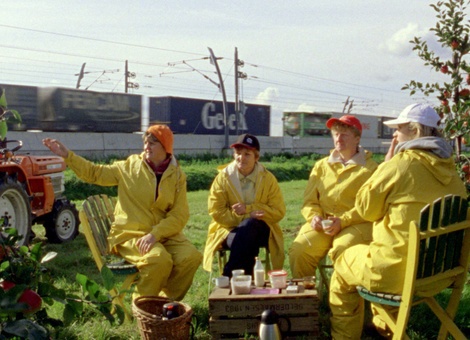
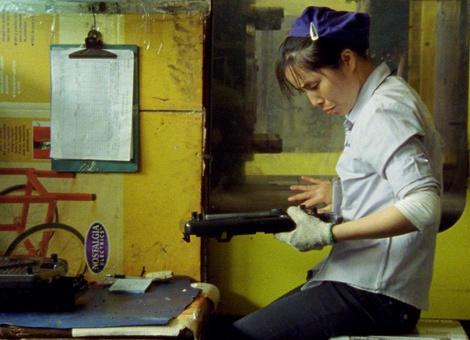
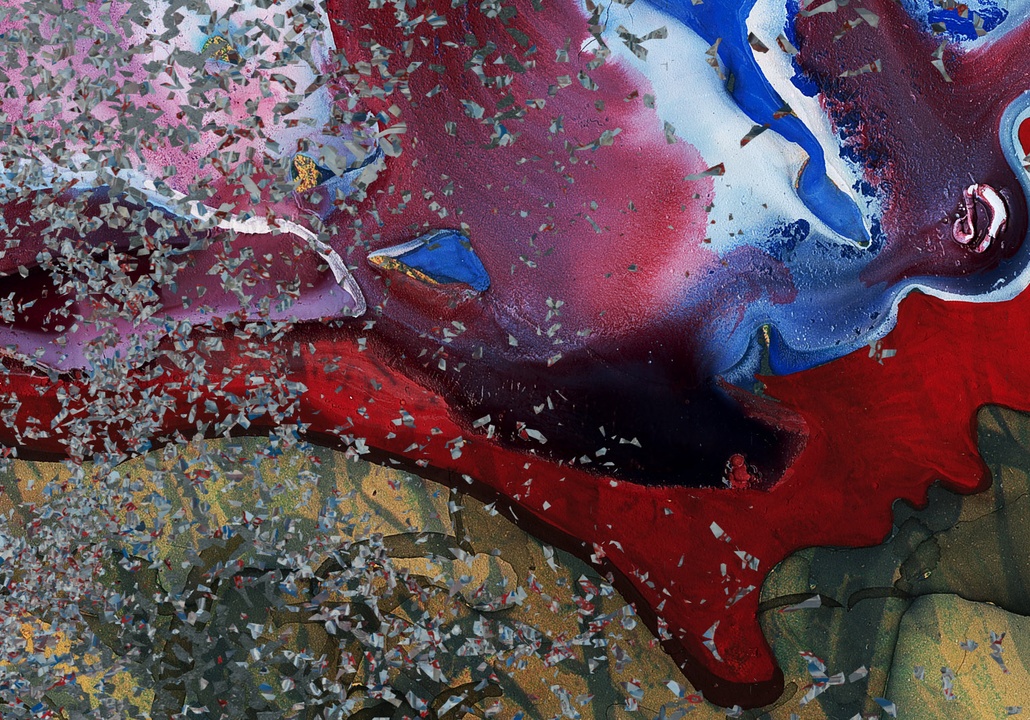
Earth, 2009 (video still)

Earth, 2009 (video still)

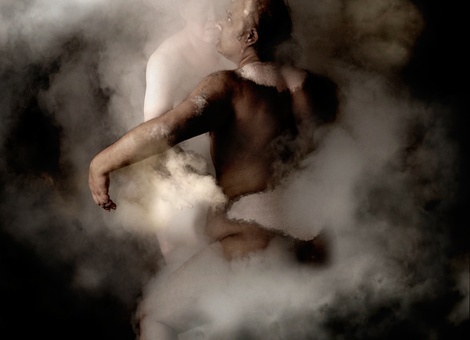
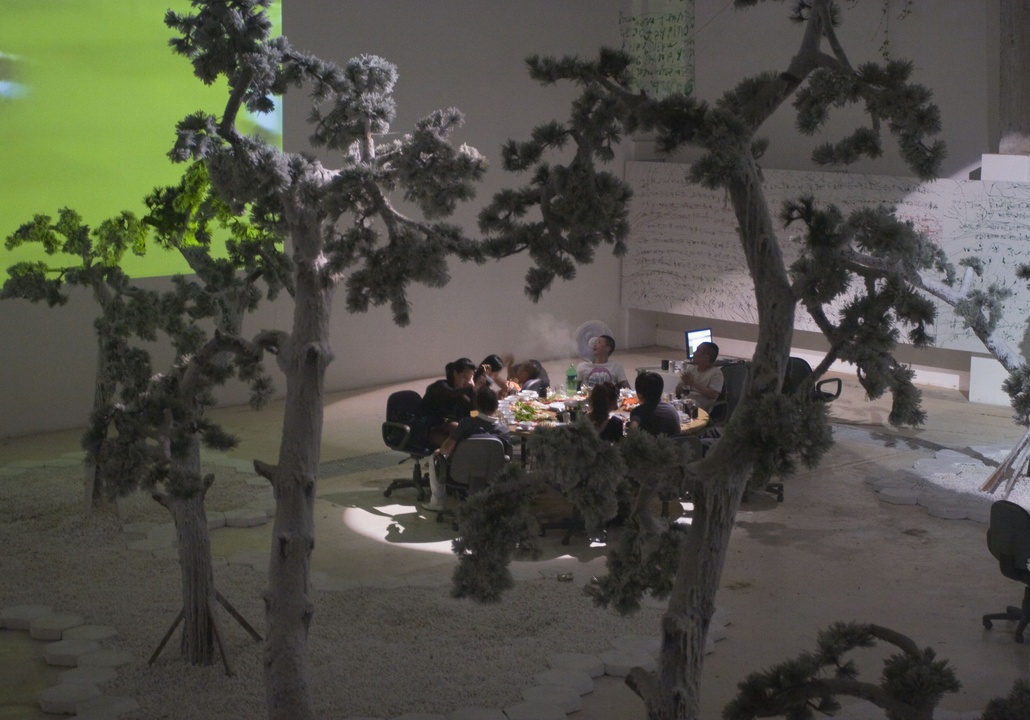
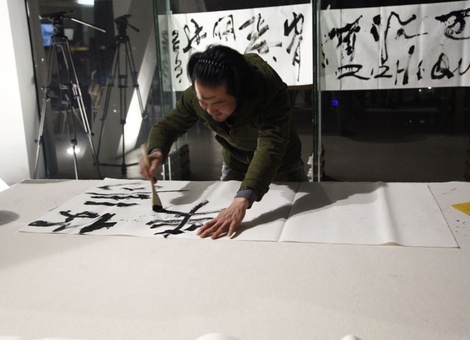
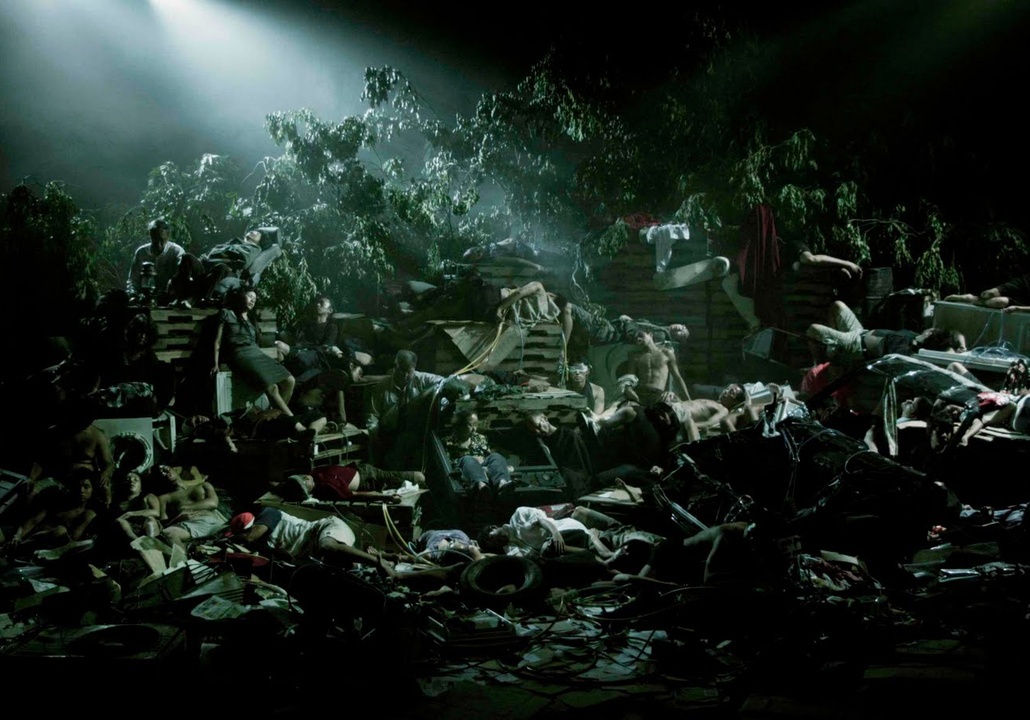
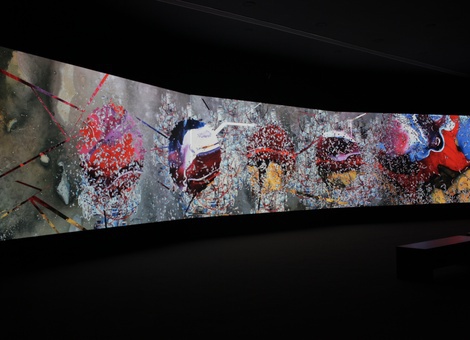
The Cloud of Unknowing, 2011 (video still)

The Cloud of Unknowing, 2011 (video still)

born 1976 Singapore.
Lives and works in Singapore.


Ho Tzu Nyen is a multidisciplinary artist interested in the construction of history and the relationships between still, moving and painted images. Immersive and dreamlike, his films incorporate elements of painting and performance as he extends the boundaries of traditional filmmaking. Ho’s work is characterised by richly detailed and dramatic scenes in which he draws on cultural references from Eastern and Western historic and contemporary sources.

Ho has stated, ‘I wanted to make a film that’s packed dense with so many references that everyone can draw their own visions and hallucinations out of the same source.’ In the recent works including Earth and The Cloud of Unknowing Ho mixes elements from contemporary life with references from traditional Chinese landscape and classical Western painting.

Selected exhibitions (solo):

MAM Project 016: Ho Tzu Nyen, Mori Art Museum, Tokyo, 2011; Earth, Artspace, Sydney, 2011. Selected exhibitions and screenings (group): No Country, Guggenheim Museum, New York, 2013; 54th Venice Biennale, 2011; 6th Asia-Pacific Triennial, 2009; 2009 Cannes International Film Festival; 66th Venice International Film Festival, 2009;1st Singapore Biennale, 2006; 2006 Hong Kong International Film Festival; 3rd Fukuoka Asian Art Triennale, 2005; 26th São Paulo Biennial, 2004; 2004 Bangkok International Film Festival.

‘Ho’s work extends the composition and space of painting to heightened audio-visual-spatial environments ... The experience can be uneasy and agitating.’

Charlotte Huddleston, Director, St Paul St Gallery, AUT University, Auckland

The Cloud of Unknowing

2013
ST Paul St

installation with single channel HD video projection, 13-channel sound, smoke machines, floodlights, show control system
28:00min
courtesy of the artist
Studio Mumbai (Bijoy Jain)

Copper House II, Chondi, Maharashtra, India, 2010

Copper House II, Chondi, Maharashtra, India, 2010

Palmyra House, Nangaon, Maharashtra, India, 2007

Palmyra House, Nangaon, Maharashtra, India, 2007

Palmyra House, Nangaon, Maharashtra, India, 2007

Palmyra House, Nangaon, Maharashtra, India, 2007

Born 1965, Mumbai, India
Lives and works in Mumbai, India


Bijoy Jain is an architect and founder of Studio Mumbai, a contemporary and award-winning architectural practice drawing on the traditional skills and expertise of India’s craftspeople. Creating a studio where skilled stonemasons, wood workers and other traditional trades do not simply execute his projects but are regarded as advisors and collaborators, Jain has enabled a rediscovery of traditional knowledge and the sustainable use of local resources.

Drawing upon the Indian landscape and regarding it as a resource, Studio Mumbai have created buildings as diverse as private residences, public spaces, research centres and rural retreats formed by local climatic conditions, materials and technologies.

‘An architectural practice almost unique in the world, Studio Mumbai redefines the construction process...’

Andrew Barrie


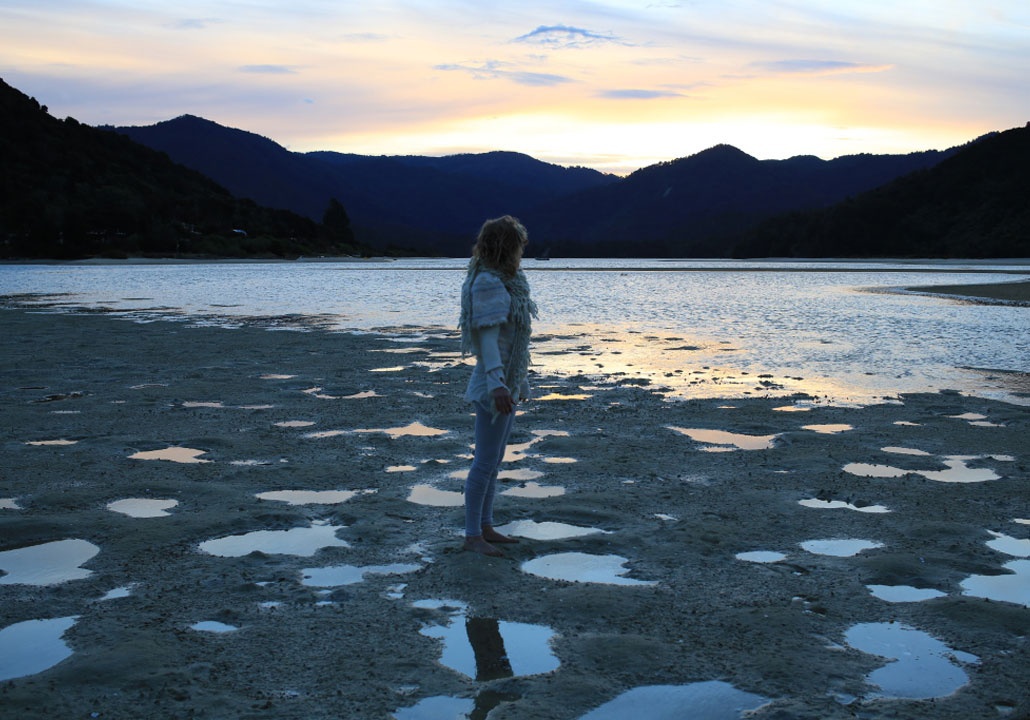
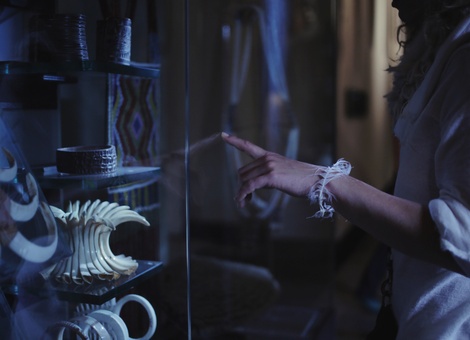
Saffronn Te Ratana, Ngataiharuru Taepa and Hemi Macgregor

Venue
Ka Kata Te Po, 2011

Ka Kata Te Po, 2011

Ka Kata Te Po, 2011

Ka Kata Te Po, 2011

Hemi Macgregor
Born 1975, Ngāti Rakaipaaka, Ngati Kahungunu, Ngāi Tūhoe
Lives and works Paekakariki and Wellington, New Zealand

Saffronn Te Ratana
Born 1975, Ngāi Tūhoe
Lives and works in Palmerston North, New Zealand

Ngataiharuru Taepa
Born 1976, Te Arawa, Te Ati Awa

Hemi Macgregor, Saffronn Te Ratana and Ngataiharuru Taepa are leading contemporary Māori artists who collaborate to combine their individual practices. Collaboration is an essential element of tikanga Māori (customary values). Drawing from shared indigenous experiences the group created Ka kata te po, 2011 first shown at Te Manawa Art Gallery. This is a large installation that explores the expressions of tribal mana motuhake (authority) and the state’s suppressions of tribal voices. Earlier collaborative projects include Tu te manu ora i te Rangi, 2008 a mixed-media installation which explores the relationship between the atua (deity) Tāne and Rehua, a subject the artists have explored in their own individual practices and collectively.

Selected exhibitions (collaborative):

Ka Kata Te Po, Te Manawa Art Gallery, Palmerston North, 2011; Tu te manu ora i te Rangi, Thermostat Gallery, Palmerston North, 2008. Selected exhibitions (group): Double Vision: When Artists Collaborate, Pataka Museum of Arts, Porirua, 2010.

’... strength in mana tupuna (authority of ancestors), mana atua (spiritual and ancestral realms) and mana whenua (the power of land).’

Huhana Smith, artist and independent Māori art/visual culture specialist,

Ka kata te po

2011
Auckland Art Gallery

installation with painted cardboard and fibreglass figure
dimensions variable
courtesy of the artists


Venues
Foreigners Everywhere (Chinese and French), 2013

Foreigners Everywhere (Chinese and French), 2013

Foreigners Everywhere (Chinese), 2008

Foreigners Everywhere (Chinese), 2008

Foreigners Everywhere (Tibetan), 2010

Foreigners Everywhere (Tibetan), 2010

(formed 2004)
Lives and works in Paris, France

Claire Fontaine is a Paris-based collective, founded in 2004. After lifting her name from a popular brand of school notebooks, Claire Fontaine declared herself a ‘readymade artist’ and began to elaborate a version of neo-conceptual art that often looks like other people’s work. Working in neon, video, sculpture, painting and text, her practice can be described as an ongoing interrogation of the political impotence and the crisis of singularity which seem to define contemporary society today.

http://www.clairefontaine.ws/

Selected exhibitions (solo):

1493, Espace 1414, San Juan, 2013; Redemptions, CCA Wattis, San Fransisco, 2013; Carelessness causes fire, Audian Gallery, Vancouver, 2012; Breakfast starts at midnight, Index, The Swedish Contemporary Art Foundation, Stockholm, 2012; M-A-C-C-H-I-N-A-Z-I-O-N-I, Museion, Bolzano, 2012; P.IG.S., MUSAC, León, 2011; Economies, Museum of Contemporary Art, Miami, 2010; After Marx April, After Mao June, Aspen Art Museum, 2009. Selected exhibitions (group): When Attitudes Became Form Become Attitudes, CCA Wattis, San Fransisco, 2013; The Deep of the Modern, Manifesta 9, Genk, Limburg 2012 Unrest: Revolt Against Reason, apexart, New York, 2012; 9th Shanghai Biennale, 2012; Re-writing Worlds (Art and Agency), 4th Moscow Biennale, 2011; 12th Istanbul Biennial, 2011.

‘Not only are there foreigners everywhere, but we are foreigners everywhere.’

Linda Tyler, Director, Gus Fisher Gallery

Foreigners Everywhere (Chinese)

2008
Auckland Art Gallery

neon, framework, transformer, cables
215 x 1300 x 50 mm

Foreigners Everywhere (French)

2011
Auckland Art Gallery

neon, framework, transformer, cables
110 x 1720 x 50 mm

Foreigners Everywhere (Korean)

2013
Auckland Art Gallery

neon, framework, transformer, cables
148 x 1535 x 50 mm

Foreigners Everywhere (Hindi)

2013
Auckland Art Gallery

neon, framework, transformer, cables
185 x 2120 x 50 mm

Foreigners Everywhere (Samoan)

2013
Auckland Art Gallery

neon, framework, transformer, cables
110 x 1240 x 50 mm

Foreigners Everywhere (Māori)

2013
Auckland Art Gallery

neon, framework, transformer, cables
130 x 2292 x 50 mm
courtesy of the artist
Foreigners Everywhere (Māori)

2013
Gus Fisher Gallery

neon, framework, transformer, cables
130 x 2292 x 50 mm
courtesy of the artist

Venue
The Forgotten Space 2010 (still)

The Forgotten Space 2010 (still)

Born 1951, Erie, United States of America
Died 10 August 2013, Los Angeles, United States of America

Allan Sekula (1951–2013) was a photographer, filmmaker and writer engaged with issues of social reality and globalisation. The Forgotten Space, 2010 is a filmic sequel to his book Fish Story, 1995 which explores the historic use and representation of the maritime space and the radical modern-day shifts and transformations. In recent work Sekula explored the uneasy relationship in maritime space between anti-authoritarianism or imaginative freedom and instruments of economic, military and political power. As an intellectual and practitioner, he was mainly engaged with socio-political critique of what he described as ‘the imaginary and material geographies of the advanced capitalist world’.

http://www.theforgottenspace.net/

Selected exhibitions:

Polonia and Other Fables, Ludwig Museum, Budapest, 2010; Polonia and Other Fables, Zachęta National Gallery of Art, Warsaw, 2009; dOCUMENTA (12), Kassel, 2007; Shipwreck and Workers, STUK Kunstcentrum, Leuven, 2005; Titanic’s Wake, Harn Museum of Art, Florida, 2004; Prayer for the Americans, Galerie Michel Rein, Paris, 2004; Sekula, Performance under Working Conditions, Generali Foundation, Vienna, 2003; dOCUMENTA (11), Kassel, 2002.

‘Sekula and Burch’s film asks us to consider those critical spaces between the local and the global...’

Alex Davidson, Curatorial Assistant, Artspace, Auckland

The Forgotten Space

2010
The Film Archive

The Film Archive
Screening times for The Forgotten Space at The Film Archive:

Weekdays - 11am, 1pm and 3pm

Saturday - 11am, 1pm

film essay / feature documentary, English subtitles
110:00min
producers: Frank van Reemst, Joost Verheij
co-producers: Vincent Lucassen, Ebba Sinzinger
courtesy of DOC.EYE Film


Venue
Model Home,2013

Model Home,2013

Bokutei, 2008

Bokutei, 2008

(formed 1992) Lives and works in Tokyo
Yoshiharu Tsukamoto Born 1965, Kanagawa, Japan
Momoyo Kaijima Born 1969, Tokyo, Japan


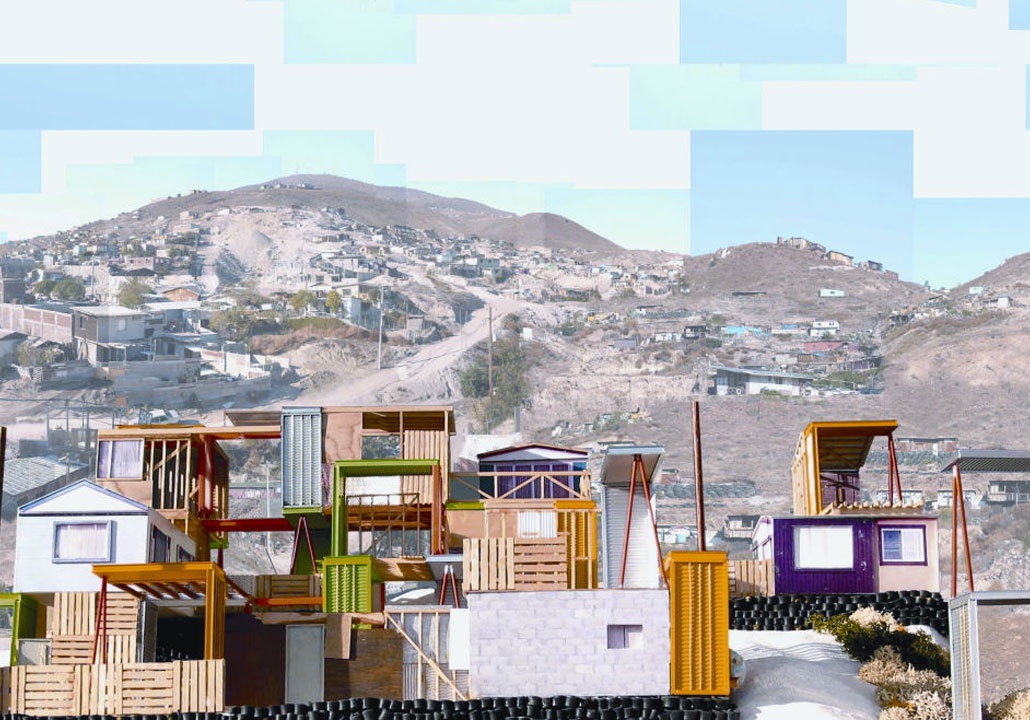
Atelier Bow Wow’s practice is based on a thorough study of existing cultural, economic, and environmental conditions and they are most well known for small-scale and idiosyncratic buildings squeezed into tiny sites around Tokyo. Known as ‘pet architecture’, these charming yet highly functional and considered residences reflect a deep understanding of local needs and cultural practices.

Atelier Bow-Wow has also acquired a following through its Micro Public Space projects and the innovative projects at exhibitions such as the 2011 Venice Biennale (as an official representative of Japan) and at the Hayward Gallery in London.

Selected exhibitions:

house inside city outside house, Tokyo Opera City Art Gallery, 2011; 12th Venice Architecture Biennale, 2010; The Gallery at REDCAT, Los Angeles, USA, 2009; 3rd Liverpool Biennial, 2008; 27th São Paulo Biennale, 2006.

Model Home

2012
Auckland Art Gallery

For the 5th Auckland Triennial Michael Lin and Atelier Bow Wow collaborated with Professor Andrew Barrie from the University of Auckland to create a life-size paper document of worker housing element of the Model Home project, the sound and video artists were Nanli Lou and Ren Cheng. Andrew Barrie is a specialist in the Japanese technique of paper model building known as okoshi-ezu (folding drawing), and has adapted aspects of this technique for Model Home 2013.


Venue
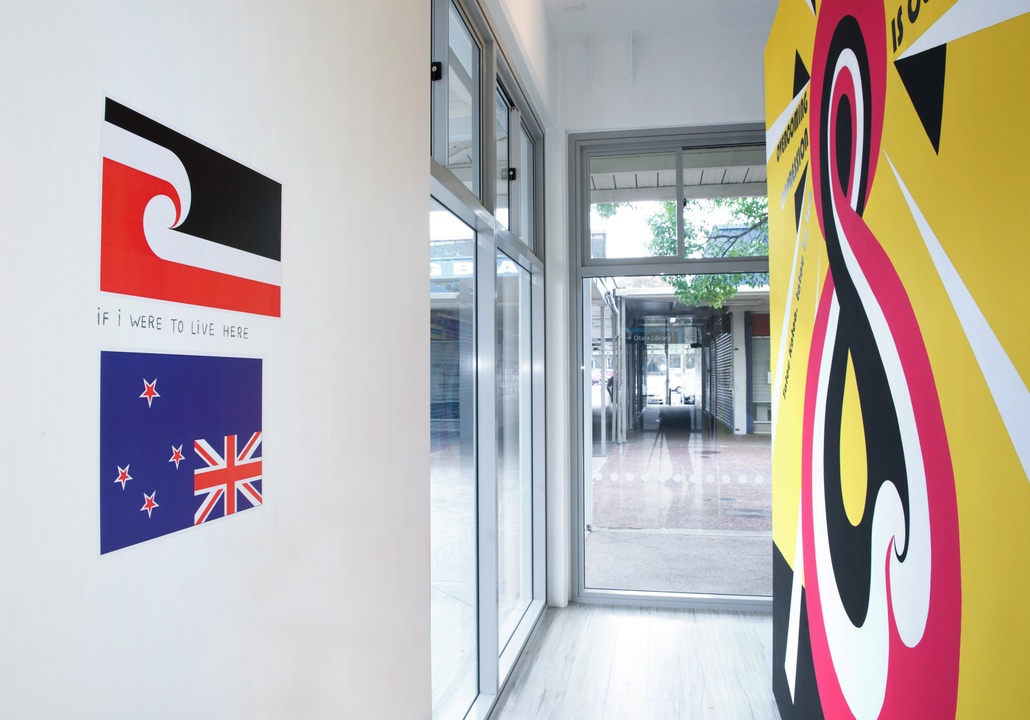
Just in time for too late, (2013)

Just in time for too late, (2013)

Born 1974, Ngāpuhi, Ngāti Whakaeke, Pākehā
Lives and works in North Canterbury, New Zealand

Wayne Youle’s playful and subversive art practice ranges from painting and sculpture to photography, ceramics and bronze casting. Informed by his heritage, Youle makes work which addresses Māori/Pākehā relations and bicultural concepts as well as broader social issues. One of his most recent projects was a large-scale mural painted on a concrete wall in Sydenham, Christchurch. I seem to have temporarily misplaced my sense of humour, 2012 was a giant painting of a shadow board with tools that represented what had gone from people’s everyday lives and all those who lent their equipment and hands to help clean up Christchurch following the earthquake in February 2011.

Selected exhibitions (solo):

So they say...,Tauranga Art Gallery, 2013; Fingers Crossed, City Gallery Wellington, 2012; 10 Down, Pataka Museum of Arts & Cultures, Porirua, 2010; The Icon 500, The Physics Room, Christchurch, 2005. Selected exhibitions (group): Close Encounters, Hyde Park Art Center, Chicago, 2009; Plastic Maori, The Dowse, Lower Hutt, 2009; Winners are Grinners, PICA, Perth, 2007; Pasifika Styles, University of Cambridge, 2006; Hei Tiki, Auckland Art Gallery, 2005; Manawa Taki, City Gallery Wellington, 2005.

‘... the play of words and symbols which are often utilised to intersect national bicultural debates in provocative ways.’

Nigel Borell, Kaiwhakahaere, Toi o Manukau, Auckland Council

Just in time for too late

2013
Fresh Gallery Otara

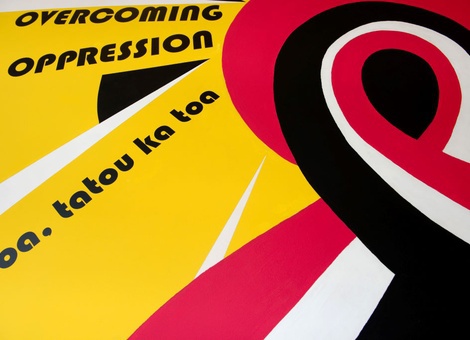
Emory Douglas, Rigo 23, Wayne Youle
painted mural
2940 x 11300
Courtesy of the artists


Claire Healy and Sean Cordeiro

Venue
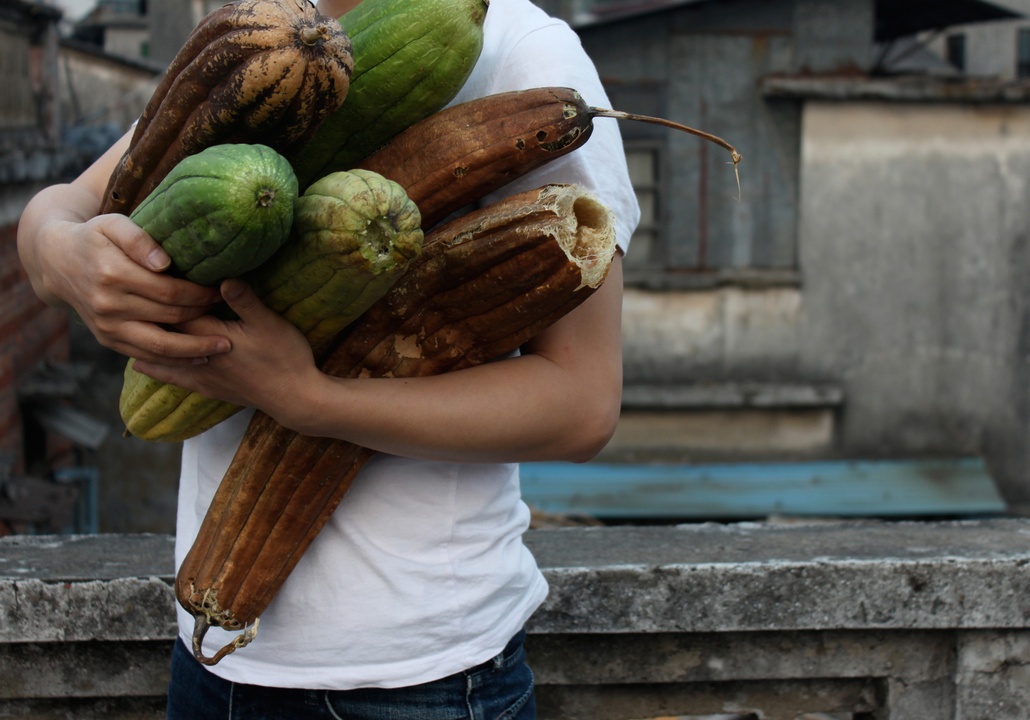
dwell,2013

dwell,2013

dwell,2013

dwell,2013

Sean Cordeiro
Born 1974, Sydney, Australia
Claire Healy
Born 1971, Melbourne, Australia


Claire Healy and Sean Cordeiro met at the New South Wales College of Fine Arts in the 1990s. Avid travellers, their peripatetic lives inform much of their practice as they explore ideas of home and transience, and engage with issues such as real estate, permutations of space and modes of living. They are best known for transforming everyday objects into large-scale and provocative sculptures and installations. Through the presentation of the deconstructed and the reassembled Healy and Cordeiro literally unpack notions of domicide, and make us question our own materialistic tendencies and the impermanence of occupation.

http://www.claireandsean.com/

Selected exhibitions (solo):

Claire Healy & Sean Cordeiro, Museum of Contemporary Art Australia, Sydney, 2012; Are We There Yet? Corcoran Gallery of Art, Washington DC, 2011; Par Avion, Frey Norris Contemporary & Modern, San Francisco, 2011; Future Furnishings, Nature Morte Gallery, Berlin, 2012; The Ultimate Field Trip, Akiyoshidai International Artist Village, Yamaguchi, 2010; Prems, La BF15, Lyon, 2009. Selected exhibitions (group): Setouchi Art Festival, Setouchi, 2010; 53rd Venice Biennale, 2009; Optimism, Gallery of Modern Art | Queensland Art Gallery, Brisbane, 2008.

‘Enigmatic clues hint at a narrative – somewhat playful, somewhat uncomfortable...’

Beatrice Gralton, Curator Visual Arts, Carriageworks, Sydney

dwell

2013
Auckland Art Gallery

mixed media installation
dimensions variable
courtesy of the artists, Roslyn Oxley9 Gallery, Sydney and Gallery Wendi Norris, San Francisco.


Venue
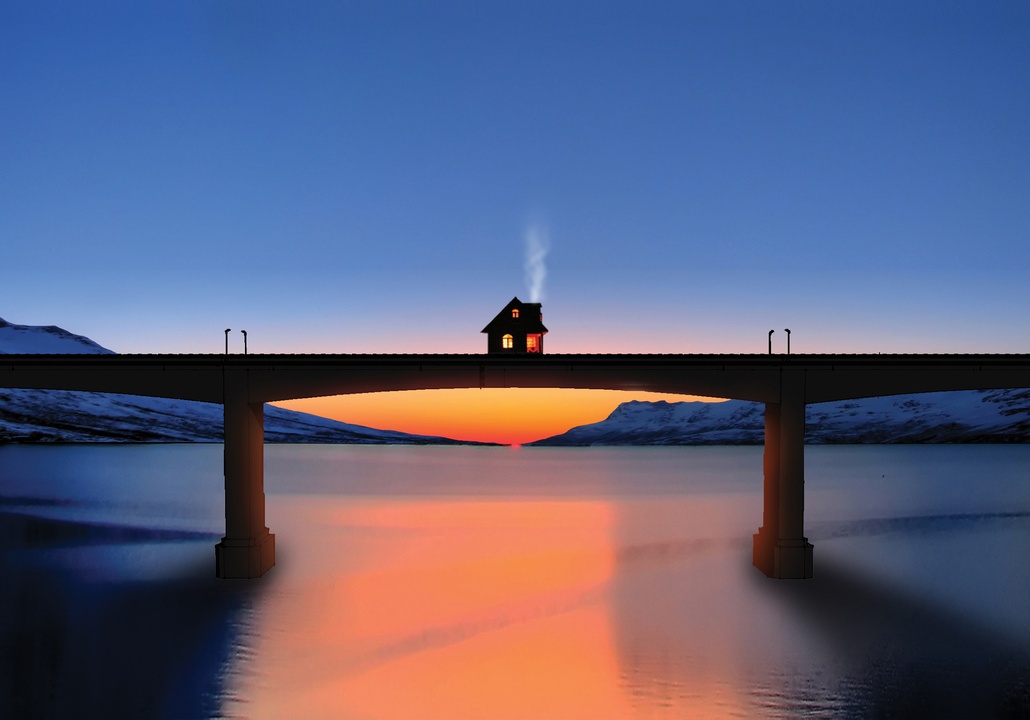
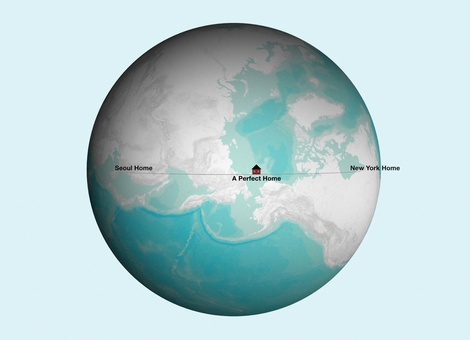
A Perfect Home: The Bridge Project, 2010 (video still)

A Perfect Home: The Bridge Project, 2010 (video still)

A Perfect Home: The Bridge Project, 2010 (video still)

A Perfect Home: The Bridge Project, 2010 (video still)

(born 1962) Seoul, South Korea
Lives and works in New York, London and Seoul.

Do-Ho Suh’s sculptures and installations explore spatial dynamics and issues of cultural difference. His site-specific installations act like microcosms of the postmodern, globalised world, questioning the boundaries of identity in relation to public and private space. Suh’s work, which draws from his Korean background and life in the West, addresses the place of individual and collective identities in a global society. Through the use of architectural elements and references to the body, Suh evokes a trans-cultural life where the dynamics of space, culture and connection create unanticipated form.

Selected exhibitions (solo):

Hiroshima MOCA, Hiroshima, Japan, 2012; Leeum Samsung Museum, Seoul, South Korea, 2012; Tate Modern, London, UK, 2011; Storefront for Art and Architecture, New York, USA, 2010; 2001 Venice Biennale, Italy. Selected exhibitions (group):Luminous: The Art of Asia, Seattle Art Museum, 2011; 2010 Liverpool Biennial, Liverpool, UK; 2010 Venice Architecture Biennale, Italy; Your Bright Future: 12 Contemporary Artists from Korea, Los Angeles County Museum of Art, USA, 2009; Psycho Buildings, Hayward Gallery London, UK, 2008.

‘... there is no freedom in architecture. In fact freedom is a ruse Suh points to...’

Yasmeen M Siddiqui, curator and essayist, Louisville, Kentucky.

A Perfect Home: The Bridge Project

2010
Auckland Art Gallery

synchronised four-monitor animated digital slide presentation, two single-channel videos, sound
11:00min
© Do Ho Suh
courtesy of the artist

Venue
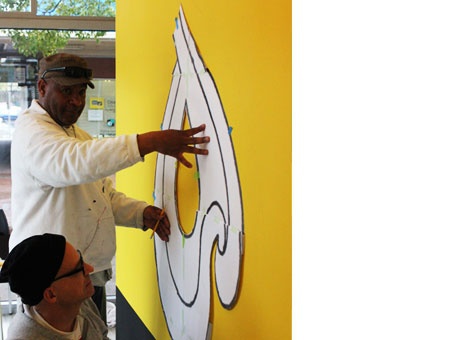
Just in time for too late, (2013)

Just in time for too late, (2013)

Just in time for too late, (2013)

Just in time for too late, (2013)

Born 1943, Grand Rapids, United States of America
Lives and works in San Francisco, United States of America

Emory Douglas created the visual identity for the Black Panther Party and his iconic images came to symbolise the struggles of the movement. As Minister of Culture for the "Black Panther Party" from 1967 until the 1980s, Douglas’ work, described as ‘Militant Chic’, featured in most issues of the newspaper The Black Panther. His work is characterised by strong graphic images of young African American men, women and children. He used the newspaper’s popularity to spur people to action, portraying the poor with empathy and as being unapologetic and ready for a fight.

http://www.emorydouglasart.com/

Selected exhibitions (solo):

Black Panther: The Revolutionary Art of Emory Douglas, Urbis, Manchester, 2008–9; Black Panther: The Revolutionary Art of Emory Douglas, MOCA Pacific Design Center, Los Angeles, 2007–8. Selected exhibitions (group): 16th Biennale of Sydney, 2008; The Black Panther Rank and File, Yerba Buena Center for the Arts, San Francisco, 2006.

‘The values of equality, racial economic justice and fairness are just as relevant today as they ever were.’

Nigel Borell, Kaiwhakahaere, Toi o Manukau, Auckland Council

Untitled

2013
Fresh Gallery Otara

Emory Douglas, Rigo 23, Wayne Youle
painted mural
2940 x 11300
Courtesy of the artists